📌 Executive Summary & Key Takeaways
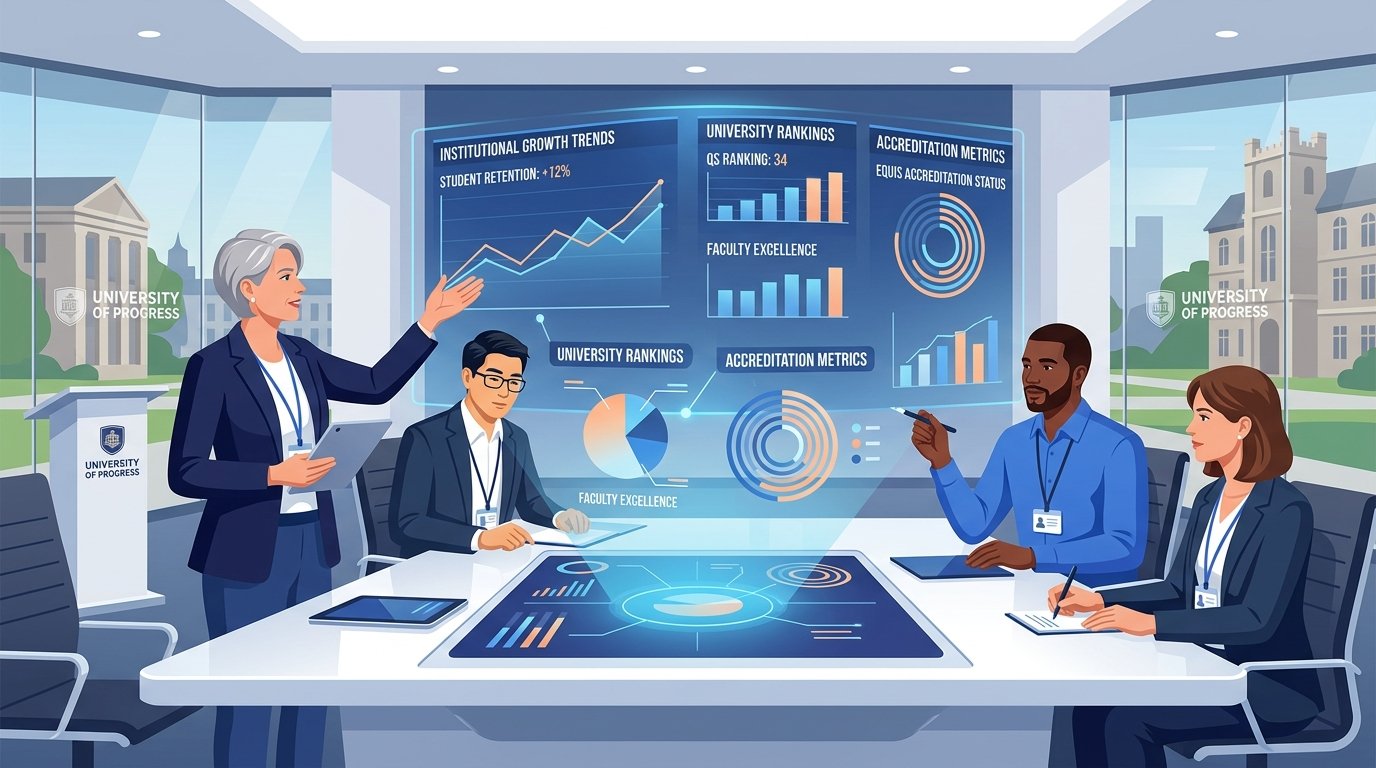
- Artificial intelligence is no longer speculative in higher education. From automated counseling bots handling 24/7 scholarship inquiries to predictive enrollment scoring, discover how AI scales admission productivity.
- Target Audience: University Trustees, Deans, Admission Directors, and Higher Education Leadership.
- Strategic Focus: Education Technology (AI Admissions, Conversational AI, Predictive Modeling, Automation).
Admissions offices have historically been constrained by human counseling capacity. During the peak weeks of board and entrance exam results, counseling desks are inundated with thousands of phone calls, WhatsApp inquiries, and website visits. Artificial intelligence has fundamentally transformed this operational bottleneck.
1. 24/7 Conversational AI That Actually Understands Degree Criteria
Legacy rule-based website chatbots frustrated prospective students with circular menus. Today’s generative AI agents, trained on university brochures, fee tables, and eligibility guidelines, can instantly answer complex multi-variable questions at 2:00 AM: “I scored 78% in Gujarat Board PCM and have an annual family income under 4 lakhs. Am I eligible for your merit scholarship in Computer Engineering?”
An immediate, accurate response preserves student engagement while human counselors are offline, scheduling an on-campus evaluation slot automatically.
2. Predictive Enrollment Scoring
By analyzing digital engagement data—such as website pages visited, video watch times, brochure downloads, and email interaction—machine learning models assign an objective Likelihood-to-Enroll Score (1–100) to every student in your database. Senior admission counselors can prioritize their high-value time on the top 20% of prospects most likely to deposit seat fees.
3. Automated Document Verification
AI-powered computer vision extracts and cross-verifies marksheets, category certificates, and entrance scorecards in seconds, reducing applicant verification friction from 4 days to 4 minutes.